How to buy specialty coffee: expert tips for flavor and quality
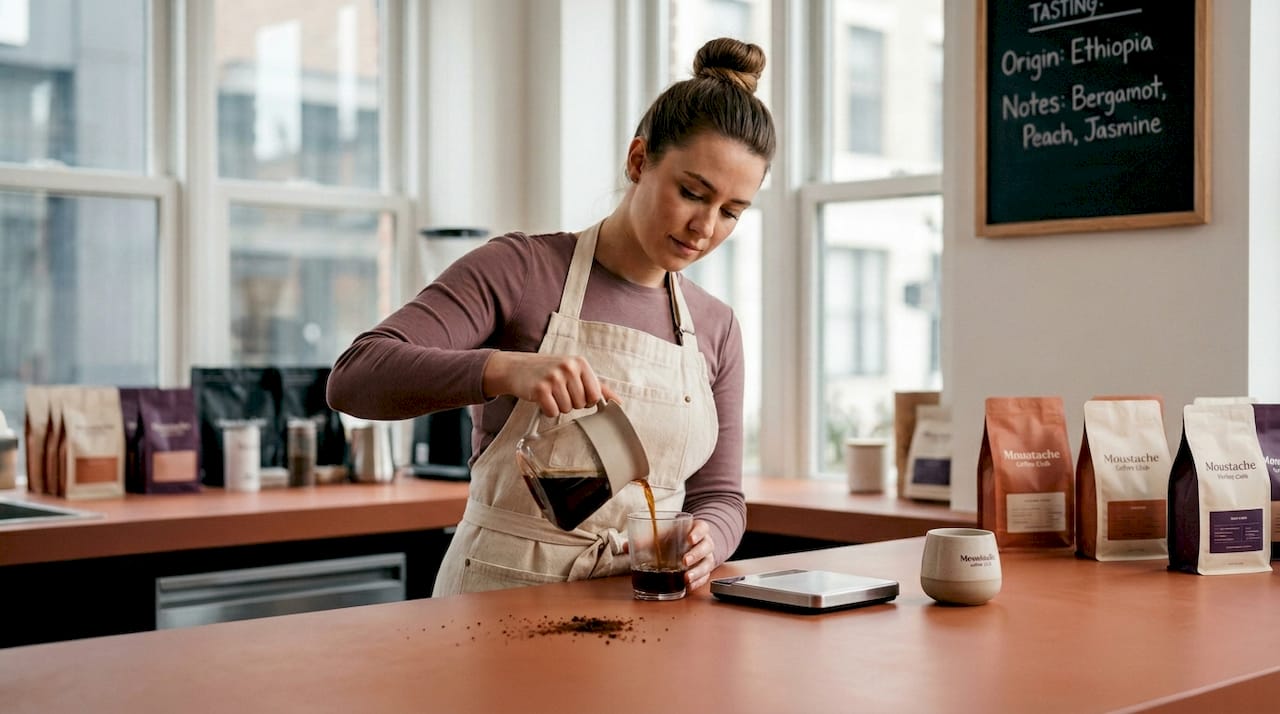
Walking into the specialty coffee market for the first time feels a lot like walking into a wine shop with no map. Hundreds of options stare back at you, each bag boasting exotic origins, cryptic tasting notes, and price tags that range from reasonable to genuinely shocking. The problem is that price, packaging, and marketing language are notoriously unreliable guides. A $30 bag can taste flat and stale while a $16 bag from a small roaster can stop you mid-sip. This guide cuts through the noise and gives you a clear, practical framework for buying specialty coffee with real confidence, whether you care most about flavor complexity, ethical sourcing, or simply getting the freshest cup possible.
Table of Contents
- Start with what defines specialty coffee
- Buy for freshness: roast date, whole bean, and storage
- Flavor selection: roast level, origin, and processing
- Match your brew method to your beans
- Why chasing price or ‘premium’ labels can steer you wrong
- Get fresh specialty coffee delivered and discover your favorite
- Frequently asked questions
Key Takeaways
| Point | Details |
|---|---|
| Always check roast date | Freshness is more important than price—look for a visible roast date and buy within 1–4 weeks. |
| Know your flavor levers | Roast level, origin, and processing method are key to matching coffee with your taste preferences. |
| Pick whole beans | Always buy whole beans and grind just before brewing to preserve peak flavor. |
| Match beans to brew method | Choose beans that work best with your brewing style—pour-over, espresso, or cold brew. |
| Test and keep notes | Try small batches, rotate selections, and note what you enjoy to quickly discover your ideal coffee. |
Start with what defines specialty coffee
Before you can evaluate any bag on a shelf or website, you need a working definition of what “specialty” actually means. The term is not just a marketing badge. It refers to a specific scoring system developed by the Specialty Coffee Association (SCA), where trained evaluators called Q Graders assess green and roasted coffee on a 100-point scale. Specialty is defined at 80+ points on that scale by Q Graders using SCA protocols, and that threshold is the globally accepted standard.
The cupping process, which is the formal method Q Graders use to evaluate coffee, examines several distinct attributes in a standardized way. Understanding what they assess helps you know what to look for when reading tasting notes or origin reports.
| Attribute | What it measures |
|---|---|
| Aroma | Fragrance of dry grounds and wet brew |
| Flavor | Overall taste impression |
| Aftertaste | Finish and lingering sensations |
| Acidity | Brightness, liveliness, or tartness |
| Body | Weight and texture in the mouth |
| Balance | How well attributes complement each other |
| Sweetness | Natural sugars expressed in the cup |
“Specialty is a mark of consistent outstanding cup quality, not just a buzzword.”
When a roaster publishes a cupping score or mentions Q Grader evaluation, that transparency is meaningful. It signals that the coffee was assessed against objective criteria, not just labeled “premium” for marketing purposes. As you start developing taste preferences, knowing these attributes gives you a vocabulary to describe what you enjoy and what you want to seek out next.
Buy for freshness: roast date, whole bean, and storage
With a clear definition of specialty in hand, freshness becomes the most important practical factor you can control as a buyer. Coffee is an agricultural product, and like most fresh produce, it degrades over time. After roasting, beans release carbon dioxide in a process called degassing, and the volatile aromatic compounds responsible for bright, complex flavors begin to oxidize and fade. Peak flavor is typically found within one to four weeks after roasting.
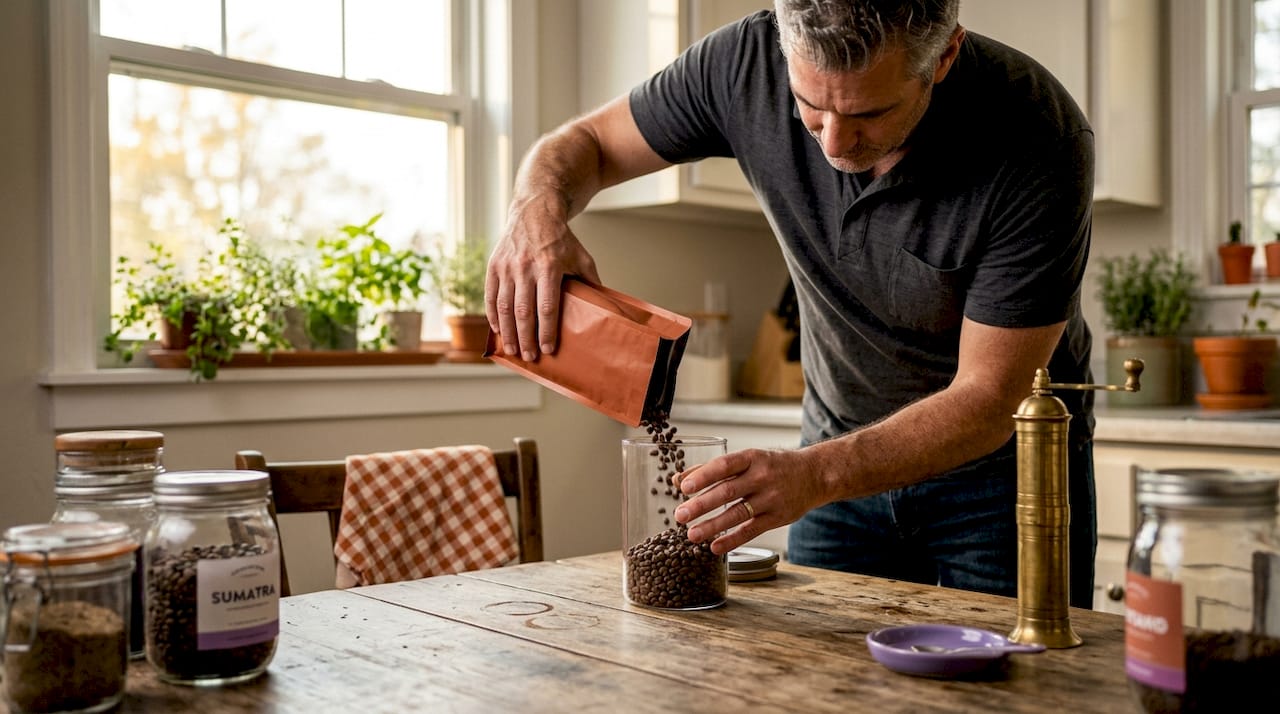
The single most useful thing you can do when buying coffee is verify the roast date and prioritize whole beans for better flavor retention. Many bags in grocery stores or big-box retailers carry only a “best by” date, which tells you almost nothing about when the coffee was actually roasted. A bag roasted eight months ago with a “best by” date six months from now is still stale coffee. Always look for an explicit roast date printed on the bag.
Here is a quick checklist to evaluate freshness before you buy:
- Roast date visible: Look for a specific date, not just “best by”
- Whole bean format: Avoid pre-ground unless you have no grinder
- Packaging with a one-way valve: This allows CO2 to escape without letting oxygen in
- Purchased from a roaster or specialty retailer: Faster turnover means fresher stock
- Bag size matched to your consumption: A 250g bag used within two weeks beats a 1kg bag that sits for two months
Once you get your beans home, storage matters just as much as what you buy. Keep beans in an airtight container away from heat, light, and moisture. A dark cabinet away from your stove is ideal. Avoid the refrigerator, where moisture and odors can affect flavor. The freezer is acceptable for long-term storage of sealed, unopened bags, but once opened, keep beans at room temperature and use them within two to three weeks.
Pro Tip: Buy in small batches and rotate through different origins. This keeps your supply fresh, prevents flavor fatigue, and accelerates your understanding of what you actually enjoy. Exploring coffee freshness in depth will also help you recognize when a bag is past its prime before you even brew it.
Flavor selection: roast level, origin, and processing
Once freshness is assured, your next adventure is flavor. Three primary levers control the taste profile of any coffee: roast level, origin, and processing method. Understanding each one separately, and then how they interact, gives you real power over your cup.
Roast level is the most visible variable. As beans are roasted longer and at higher temperatures, they lose moisture, develop body, and shift from origin-driven flavors toward roast-driven ones. Lighter roasts tend to highlight origin characteristics, medium roasts offer more balance, and darker roasts emphasize roast character and body. Here is how that plays out in the cup:
| Roast level | Typical flavor notes | Acidity | Body |
|---|---|---|---|
| Light | Floral, fruity, tea-like, bright | High | Light to medium |
| Medium | Caramel, chocolate, balanced fruit | Medium | Medium |
| Dark | Smoky, bitter, roasty, full | Low | Heavy |
Origin adds another layer entirely. Ethiopian coffees, particularly those from the Yirgacheffe or Sidama regions, are famous for bright berry and floral notes. Colombian beans from high-altitude farms in Huila or Nariño tend toward clean, balanced cups with stone fruit and mild sweetness. Sumatran coffees grown at lower elevations often produce earthy, full-bodied cups with low acidity. Elevation matters enormously: higher-grown beans develop more slowly, producing denser, more complex flavor compounds.
Processing method is where things get really interesting. The three main methods are:
- Washed (wet): The fruit is removed before drying, producing clean, bright cups where origin flavors shine clearly.
- Natural (dry): Beans dry inside the whole fruit, absorbing sugars and producing fruity, wine-like, sometimes funky flavors.
- Honey: A middle path where some fruit is left on during drying, creating sweetness and body without the full intensity of natural processing.
Pro Tip: Start with medium-roast, washed coffees from Colombia or Ethiopia if you are new to specialty. They are the most forgiving and approachable, giving you a clean baseline before you explore naturals or ultra-light roasts. Diving deeper into coffee origins and processing will sharpen your palate faster than almost anything else.
Match your brew method to your beans
Understanding flavor is half the battle. Making sure your chosen beans actually shine with your brewing method is what turns a good purchase into a great cup. Different brew methods extract coffee differently, and some pairings work much better than others.
The core principle is simple: pour-over and filter methods pair well with lighter-to-medium roasts, espresso often suits medium-dark or darker roasts depending on personal preference, and cold brew is commonly paired with robust, full-bodied profiles. Here is a quick pairing guide:
- Pour-over (Chemex, V60, Kalita): Light to medium roasts, washed or honey processed, Ethiopian or Colombian origins. The clean extraction highlights delicate floral and fruit notes beautifully. Check out best beans for pour-over for specific recommendations.
- Espresso: Medium to medium-dark roasts with good body and sweetness. Natural processed beans can add complexity, but washed beans from Brazil or Colombia also work well.
- French press: Medium to dark roasts with bold body. The immersion method tolerates and even benefits from fuller-bodied beans. French press recommendations can help you narrow down the right profile.
- Cold brew: Dark to medium-dark roasts with low acidity and high body. The long, cold extraction pulls out sweetness and smoothness, making robust beans shine. Cold brew bean tips cover this in more detail.
| Brew method | Recommended roast | Best processing | Key flavor goal |
|---|---|---|---|
| Pour-over | Light to medium | Washed or honey | Clarity and brightness |
| Espresso | Medium to medium-dark | Washed or natural | Body and sweetness |
| French press | Medium to dark | Natural or washed | Boldness and texture |
| Cold brew | Medium-dark to dark | Natural or washed | Smoothness and low acidity |
Many disappointments in home brewing stem from a mismatch between the bean and the method, not from poor quality coffee.
Experimenting with the same bag across different brew methods is one of the fastest ways to understand how extraction affects flavor. A light Ethiopian natural that tastes vibrant in a pour-over might taste overwhelmingly fruity in a French press. That is not a flaw in either the bean or the method. It is just a mismatch worth knowing about.
Why chasing price or ‘premium’ labels can steer you wrong
Here is something the specialty coffee industry does not always say loudly enough: price and quality are not linear. Fresher roasts from reputable sources often outperform older, higher-priced coffees. A bag that costs $28 and was roasted three months ago will almost always taste worse than a $16 bag roasted last week.
The “premium” label is one of the most abused terms in the food industry, and coffee is no exception. Brands spend real money on matte-finish bags, embossed logos, and elaborate origin stories, and some of that cost ends up in the price without improving what is actually in the cup. We have tasted coffees that arrived in plain kraft paper bags with a simple roast date stamp that were genuinely extraordinary, and we have tasted $40 bags from well-known names that were flat and unremarkable.
The workflow that actually works is far simpler than most buyers expect. Buy smaller bags, rotate origins, processing methods, and roast levels, and keep tasting notes. This approach is consistently identified as the fastest way to learn your personal flavor preferences without wasting money or getting stuck in a rut. A small notebook or a notes app on your phone is all you need. Write down the origin, roast date, processing method, and what you actually tasted. After a few months, patterns emerge and you stop guessing.
Pro Tip: Trust your palate over price tags. If a coffee consistently tastes great in your cup with your method, that is the right coffee for you, regardless of what it costs or how fancy the packaging looks. Learning to evaluate coffee on your own terms is one of the most rewarding skills you can build as a home barista.
The uncomfortable truth is that most buyers never develop a personal buying workflow. They either stick to one familiar bag out of habit or chase the most expensive option assuming it must be better. Neither approach leads to genuine discovery. The buyers who find their ideal coffee fastest are the ones who treat each purchase as a small, low-stakes experiment.
Get fresh specialty coffee delivered and discover your favorite
If you’re ready to take the guesswork out of buying specialty coffee and start tasting the difference at home, here’s how to begin.
At Moustache Coffee Club, every bag is roasted to order and ships with a clear roast date, so you always know exactly what you are getting. Our fresh roasted subscription connects you with ultra-light, nordic-style single-origin coffees sourced from Ethiopia, Colombia, and beyond, all graded to specialty standards and selected for their distinct, vibrant flavor profiles.
Beyond the beans themselves, our brewing guides walk you through every method from pour-over to espresso, so your chosen beans always perform at their best. If cold brew is your thing, our cold brew recipe pairs perfectly with the full-bodied profiles we source for exactly that purpose. Every subscription includes feedback options so your selections get more dialed-in over time, turning each delivery into a step toward your ideal cup.
Frequently asked questions
Why is the roast date more important than the price when buying specialty coffee?
The roast date tells you how fresh the coffee actually is, and fresher beans deliver better flavor than older, high-priced choices regardless of marketing claims.
How long after roasting is coffee considered ‘fresh’?
Specialty coffee is at its best within one to four weeks after roasting, with peak flavor within that window before oxidation begins to flatten the cup.
What is the quickest way to discover my preferred coffee flavors at home?
Buy smaller bags, experiment with different origins, roasts, and processing methods, and keep tasting notes to track what you enjoy most across different brews.
Does buying pre-ground coffee affect quality?
Whole beans retain freshness and flavor significantly better, so it is always best to buy whole bean and grind just before brewing for the best result.
How can I tell if coffee is truly ‘specialty’?
Look for coffees scored 80 or above on the SCA 100-point scale or those graded by certified Q Graders, which signals genuine, assessed quality rather than a marketing label.
Recommended
- Best Coffee Subscription | Ultra-Light Nordic-Style Single Origin Coffee | Moustache Coffee Club
- Best Coffee Subscription | Fresh Roasted Single Origin | Moustache Coffee Club
- How To Brew Pour Over Coffee | Step-by-Step Guide | Moustache Coffee Club
- Coffee Education Hub | Ultra-Light Nordic-Style Brewing Guides & Origins | Moustache Coffee Club


