Light Roast Brewing Methods List for Home Baristas
Pour-over techniques are the most effective brewing methods for light roast coffee because they preserve the origin-driven floral and fruit notes that lighter roasting profiles protect. Light roast beans are denser and less porous than darker roasts, which means standard brewing parameters consistently under-extract them. The light roast brewing methods list covered here spans pour-over, immersion, and advanced techniques, each matched to specific extraction goals. Moustachecoffeeclub sources ultra-light, Nordic-style single-origin coffees from Ethiopia and Colombia specifically because these methods unlock their full complexity.
1. The best light roast brewing methods list starts with pour-over
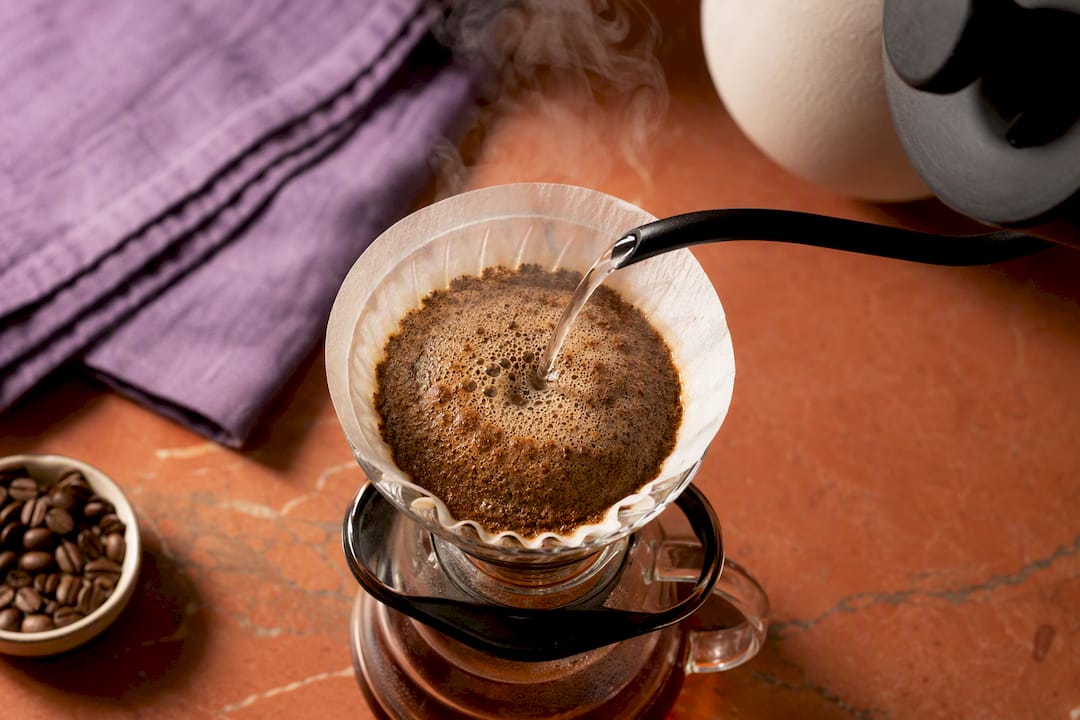
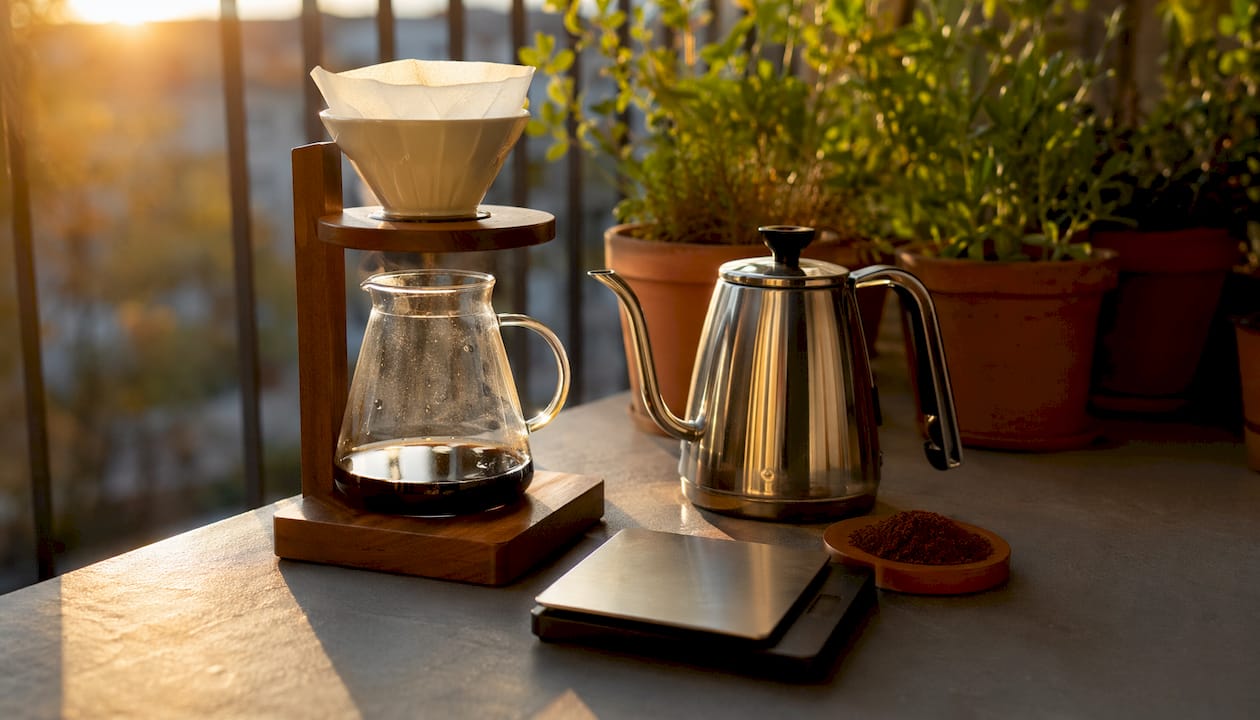
Pour-over is the gold standard for light roast coffee preparation. Paper filters remove oils and fines, letting the cup’s acidity and aromatic complexity come through clean. The Hario V60, Chemex, and Kalita Wave are the three primary pour-over devices recommended for light roasts, each offering a different balance of flow rate and body.
The Hario V60 has a single large hole and spiral ridges that give you full control over pour speed. Slower pours increase contact time and extraction. The Chemex uses a thicker filter that strips more oils, producing an exceptionally clean, tea-like cup. The Kalita Wave has a flat-bottom design with three small holes, which slows the flow and evens out extraction across the brew bed.
- Hario V60: Best for experienced brewers who want maximum control
- Chemex: Best for clarity and clean sweetness
- Kalita Wave: Best for consistent, forgiving extraction
Pro Tip: Rinse your paper filter with hot water before brewing. This removes paper taste and preheats the brewer, which stabilizes extraction temperature throughout the pour.
2. Water temperature for light roast pour-over
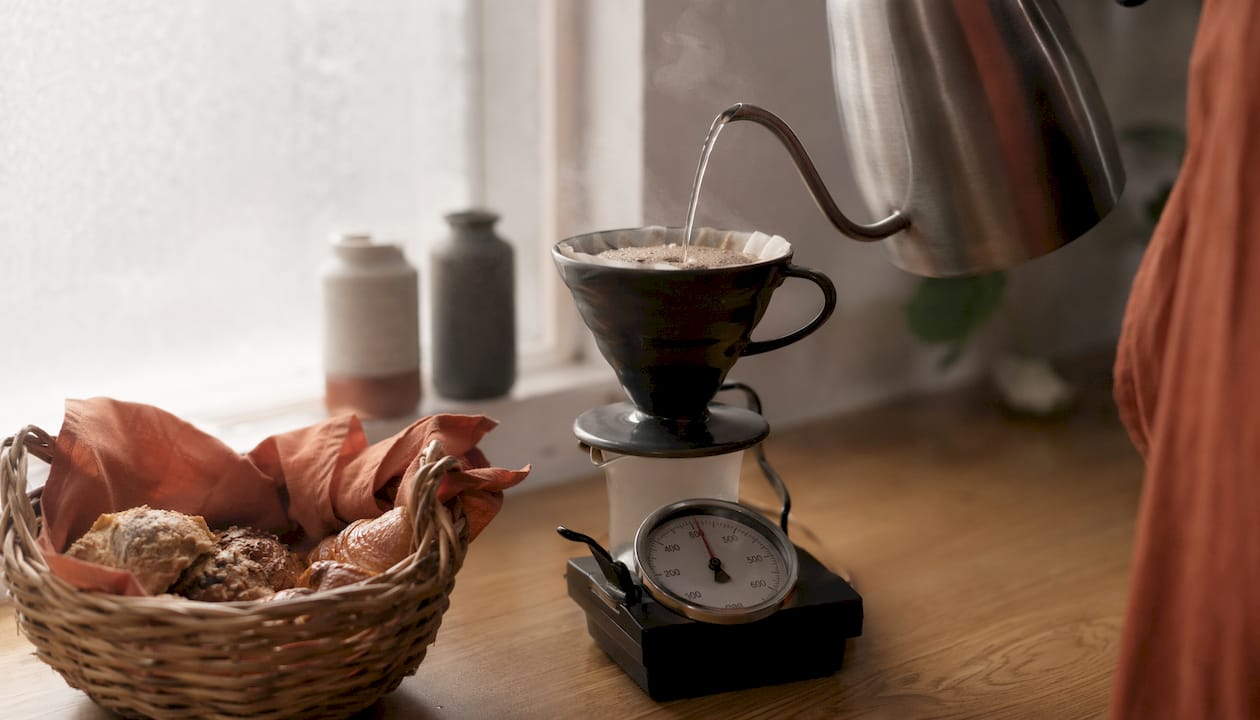
Water temperature is the single most important variable in light roast brewing. Higher temperatures of 94–96°C enhance sugar development and acidity balance in light roasts. That range is noticeably hotter than the 90–92°C often used for dark roasts. The extra heat compensates for the bean’s physical density and forces more complete extraction.
A standard gooseneck kettle with a built-in thermometer gives you the control needed to hold this range. If you do not have a thermometer, bring water to a full boil and wait 30 seconds before pouring. That method lands you close to 95°C in most home kitchens.
3. Grind size and brew ratio fundamentals
Light roast coffee requires a medium-fine grind and a specific brew ratio to extract properly. The recommended brew ratio is 1:15 to 1:17 coffee to water, with water temperature held at 93–96°C. A 1:15 ratio produces a fuller, more intense cup. A 1:17 ratio gives a lighter, brighter result that highlights floral notes.
Grind size directly affects how quickly water passes through the bed. Too coarse and water rushes through without extracting enough. Too fine and the brew stalls, turning bitter. For a Hario V60 with 20 grams of coffee, aim for a grind slightly finer than table salt.
4. Pulse pouring to improve extraction
Pulse pouring is one of the most effective light roast brewing techniques for home baristas. Splitting the pour into 4 to 6 smaller additions increases agitation and contact time without requiring an excessively fine grind. Each small pour saturates the grounds evenly and keeps the brew bed active. This matters because light roast beans resist extraction, and a single continuous pour often leaves the center of the bed under-extracted.
Start with a 40–50 gram bloom pour and wait 30–45 seconds. Then add water in 60–80 gram pulses every 20–30 seconds until you reach your target weight. The total brew time for a 300 gram cup should land between 3:00 and 3:45 minutes.
Pro Tip: Swirl the brewer gently after the bloom pour. This levels the coffee bed and prevents channeling, which is one of the most common causes of uneven extraction in light roast pour-overs.
5. AeroPress for bright and smooth light roasts
The AeroPress is the most flexible device on any light roast brewing methods list. It balances immersion and pressure, letting you experiment with grind size, steep time, and plunge speed to dial in brightness or smoothness. A finer grind with a shorter steep time produces a bright, clean cup. A coarser grind with a longer steep produces something closer to a full-bodied filter coffee.
The inverted AeroPress method gives you more control over steep time. Flip the brewer upside down, add coffee and water, steep for 1:30 to 2:00 minutes, then flip and press slowly over 30 seconds. Use water at 94°C and a 1:15 ratio for a starting point. The AeroPress also works well with light roast brewing techniques that prioritize origin clarity.
6. French press and its trade-offs for light roasts
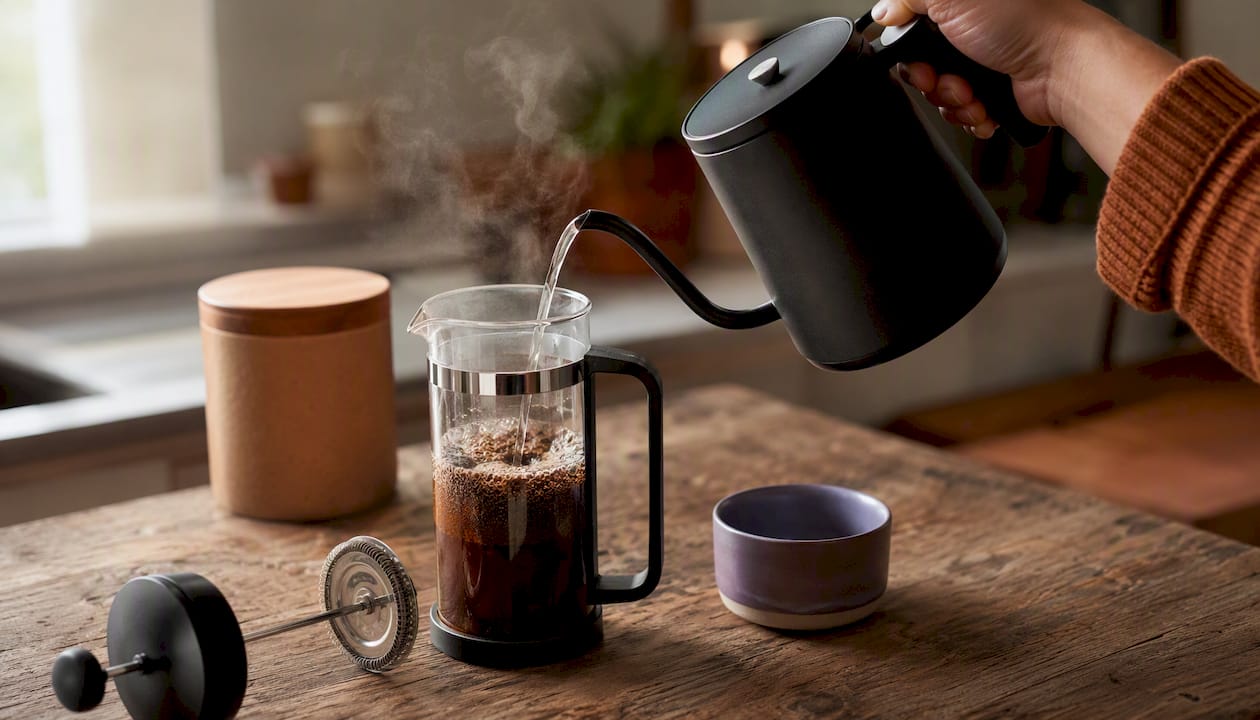
French press produces a fuller body than pour-over, but it comes with a real trade-off for light roasts. Metal filters allow fines and oils into the cup, which can mask the delicate aromatic compounds that make specialty light roast coffee worth drinking. The result is a heavier, murkier cup that loses the floral and fruit-forward notes you paid for.
That said, French press works if you adjust your approach. Use a coarser grind than you would for pour-over, steep for 4:00 minutes at 94°C, and press slowly. Adding a paper filter inside the French press, a technique called double filtering, reduces oils and improves clarity significantly. You can find a full walkthrough in the Moustachecoffeeclub French press brew guide.
7. Siphon brewing for theatrical clarity
Siphon brewing uses vapor pressure and vacuum to move water through coffee, producing a cup that is clean, full-bodied, and visually dramatic. The full-immersion process followed by a vacuum draw creates a clarity level close to pour-over with slightly more body. Light roasts perform well in a siphon because the controlled temperature and agitation during immersion extract evenly.
Siphon brewing requires more equipment and practice than other methods. Water temperature is harder to control precisely, and the process takes 5–8 minutes. For home brewers who want a weekend project that also produces an exceptional cup, it is worth the effort.
8. Cold brew and its limitations for light roasts
Cold brew is a popular batch-prep method, but it is not the best fit for light roast coffee. Cold brew produces a smooth, low-acidity cup that tends to under-extract the brightness that defines a quality light roast. The low temperature simply cannot dissolve the same aromatic compounds that hot water unlocks. The result is a muted, flat version of what the bean can offer.
Cold brew works better as a seasonal alternative when you want a refreshing, low-acid drink and are less focused on origin complexity. Use a 1:8 ratio of coffee to cold water, steep for 18–24 hours in the refrigerator, and filter through a paper filter for a cleaner result.
9. Moka pot and espresso for light roasts
Moka pot and espresso are the most challenging methods for light roast coffee preparation. Both require very fine grinds and high pressure, which can over-extract light roasts into bitter, astringent territory if parameters are not dialed in carefully. Light roasts also require higher temperatures than darker roasts to extract properly, which conflicts with the moka pot’s tendency to scorch coffee at high heat.
For espresso, a longer pre-infusion at lower pressure followed by a standard 9-bar extraction helps. Aim for a 1:2 ratio of coffee to espresso output and a shot time of 28–35 seconds. For moka pot, use medium heat and remove the brewer from the stove the moment you hear the first gurgle. Both methods reward patience and precise adjustment.
10. Common extraction problems and how to fix them
Under-extraction is the most common problem in light roast brewing. Sour, grassy, or thin flavors signal that water did not dissolve enough from the grounds. The fix is almost always a finer grind or a longer brew time, not more coffee. Extending brew time by 20–40 seconds often resolves sourness without changing anything else.
- Sour or sharp taste: Grind finer or raise water temperature by 1–2°C.
- Thin body: Increase coffee dose or switch to a 1:15 ratio from 1:17.
- Bitter finish: Grind coarser or reduce brew time by 20 seconds.
- Uneven extraction: Use pulse pouring and level the coffee bed before brewing.
- Flat, muted flavor: Check water temperature. Anything below 93°C consistently under-extracts light roasts.
Pro Tip: Change only one variable at a time when troubleshooting. Changing grind size and temperature simultaneously makes it impossible to know which adjustment fixed the problem.
Key takeaways
Pour-over methods using the Hario V60, Chemex, or Kalita Wave deliver the clearest, most flavor-accurate results for light roast coffee because paper filtration and controlled flow preserve origin complexity.
| Point | Details |
|---|---|
| Use higher water temperature | Hold water at 93–96°C to compensate for light roast bean density. |
| Dial in brew ratio carefully | Start at 1:15 to 1:17 coffee to water and adjust based on taste. |
| Pulse pour for even extraction | Split water into 4 to 6 pours to improve agitation and contact time. |
| Choose paper filters for clarity | Pour-over devices with paper filters preserve floral and fruit notes better than metal filters. |
| Fix under-extraction first | Sour or thin flavors mean grind finer or extend brew time by 20–40 seconds. |
Why the details matter more than the device
Most home brewers focus on buying the right brewer. After years of working with light roast coffees, I think that is the wrong starting point. The device matters less than the variables you control inside it. I have had exceptional cups from an AeroPress and forgettable ones from a $300 pour-over setup, purely because of temperature and grind decisions.
The shift toward lighter roasts in specialty coffee is not a trend. Lighter roasting preserves origin-specific complexity that darker roasting destroys. That complexity is the whole point of paying for single-origin Ethiopian or Colombian beans. If your brewing method mutes it, you are paying for something you are not tasting.
My honest recommendation is to start with a Hario V60 or Kalita Wave, nail the temperature and ratio, and then experiment with pulse pouring. Once you understand how those variables interact, every other method on this list becomes easier to dial in. Moustachecoffeeclub’s brewing guides and origin reports are genuinely useful here because they give you bean-specific starting points rather than generic advice. You can also explore home barista techniques that apply across multiple brew methods once your fundamentals are solid.
The goal is not to master every method. It is to understand your beans well enough that you can adapt any method to serve them.
— Sean
Fresh light roasts worth brewing at home
Moustachecoffeeclub sources ultra-light, Nordic-style single-origin coffees from Ethiopia and Colombia, roasted to order so the beans arrive at peak freshness. Every subscription includes brewing guides matched to the specific coffee in your box, which means you get bean-specific parameters rather than generic starting points.

The subscription also includes origin reports that explain the farm, processing method, and flavor notes for each coffee. That context makes every brewing session more intentional. If you want beans that reward the techniques in this article, the Moustachecoffeeclub subscription is built for exactly that.
FAQ
What is the best brewing method for light roast coffee?
Pour-over methods like the Hario V60, Chemex, and Kalita Wave are the best for light roast coffee. Paper filtration and controlled flow preserve the floral and fruit notes that define quality light roasts.
What water temperature should I use for light roast coffee?
Use water at 93–96°C (200–205°F) for light roast coffee. This higher range compensates for the bean’s density and improves extraction of aromatic compounds.
Why does my light roast taste sour?
Sourness in light roast coffee signals under-extraction. Grind finer, raise water temperature by 1–2°C, or extend brew time by 20–40 seconds to correct it.
Can I use a French press for light roast coffee?
French press works for light roast but reduces flavor clarity because metal filters allow oils and fines into the cup. Adding a paper filter inside the French press improves the result significantly.
Is cold brew good for light roast coffee?
Cold brew under-extracts the brightness and aromatic complexity of light roasts. It works as a low-acid batch option but does not showcase what makes specialty light roast beans worth buying.
Recommended
- How to Dial In Light Roast Coffee for Home Baristas | Blog | The Moustache Coffee Club
- Coffee Education Hub | Ultra-Light Nordic-Style Brewing Guides & Origins | Moustache Coffee Club
- Evaluating Coffee Freshness After Roasting at Home | Blog | The Moustache Coffee Club
- How To Brew Pour Over Coffee | Step-by-Step Guide | Moustache Coffee Club