How Brewing Method Affects Specialty Coffee Flavor
Brewing method is the single greatest variable controlling which flavor compounds reach your cup from any specialty coffee bean. Two baristas using identical Ethiopian Yirgacheffe beans, the same grind weight, and filtered water at the same temperature will produce radically different cups if one uses a Hario V60 and the other uses a French press. This is the core principle behind understanding how brewing method affects specialty coffee: extraction physics, not bean quality alone, determines your sensory experience. The three primary brewing categories, percolation, immersion, and pressure, each pull different compounds from the same grounds, producing distinct acidity, body, sweetness, and aroma in the final cup.
How brewing method affects specialty coffee: the three core categories
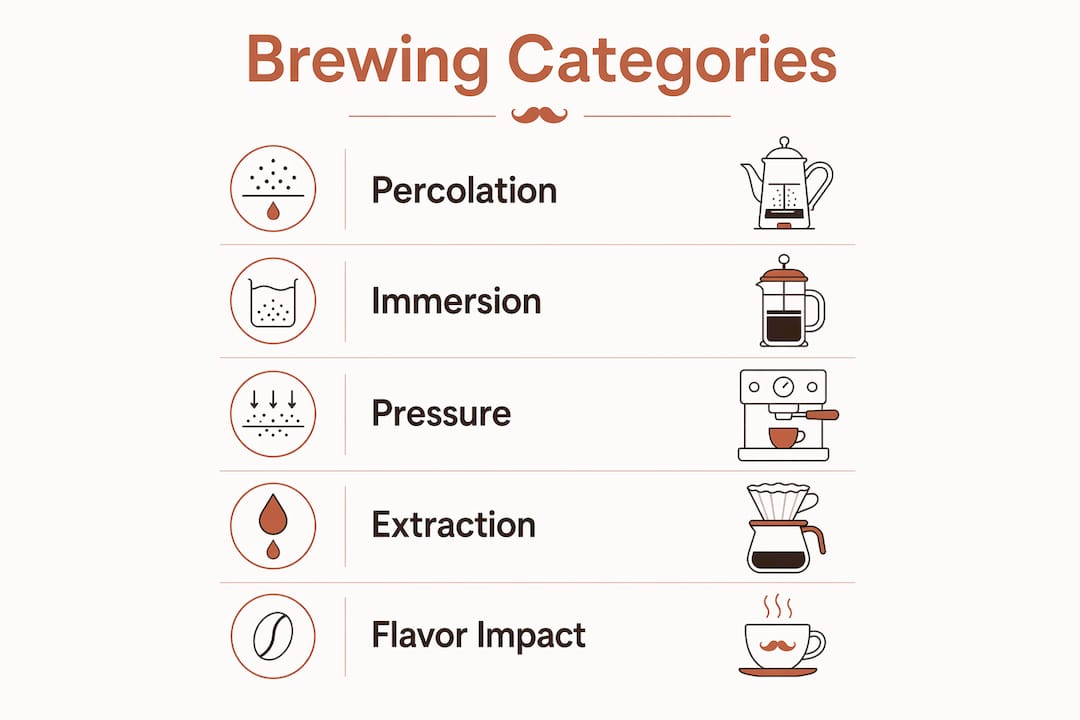
Brewing methods classified by extraction physics fall into three categories: percolation, immersion, and pressure. Each operates on a different physical principle, and that principle directly shapes what you taste. Understanding this framework is more useful than memorizing gear specs.
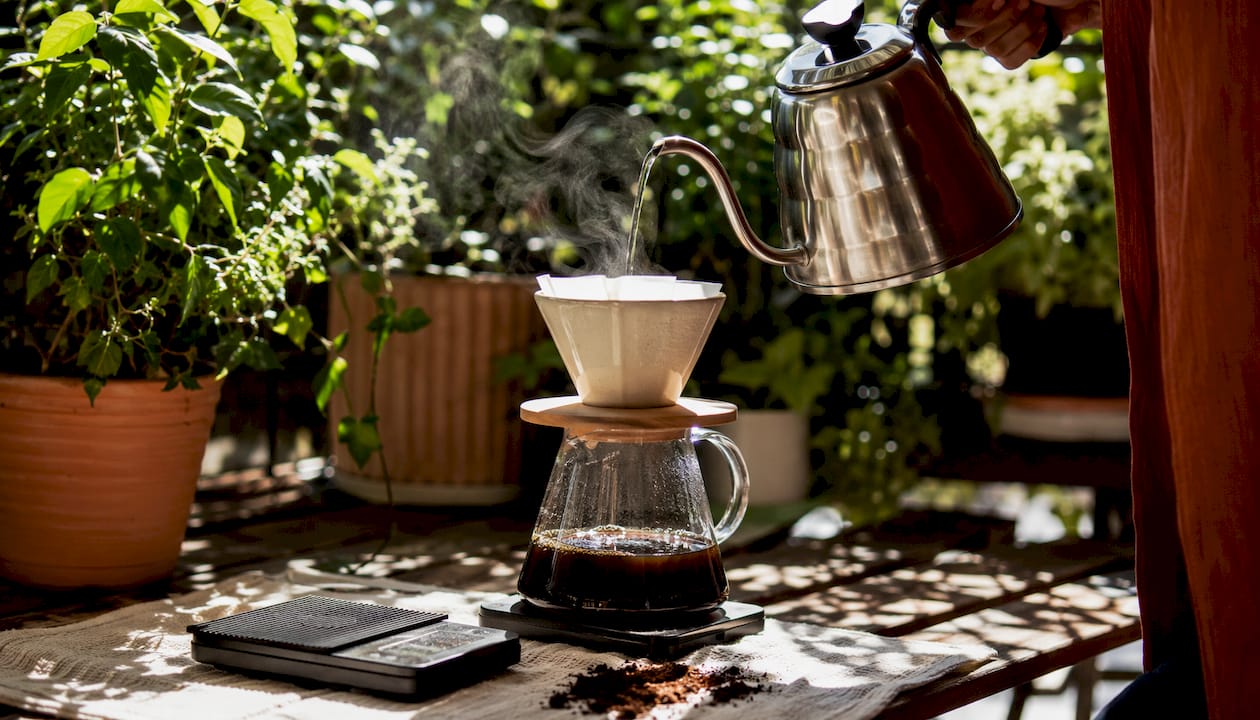
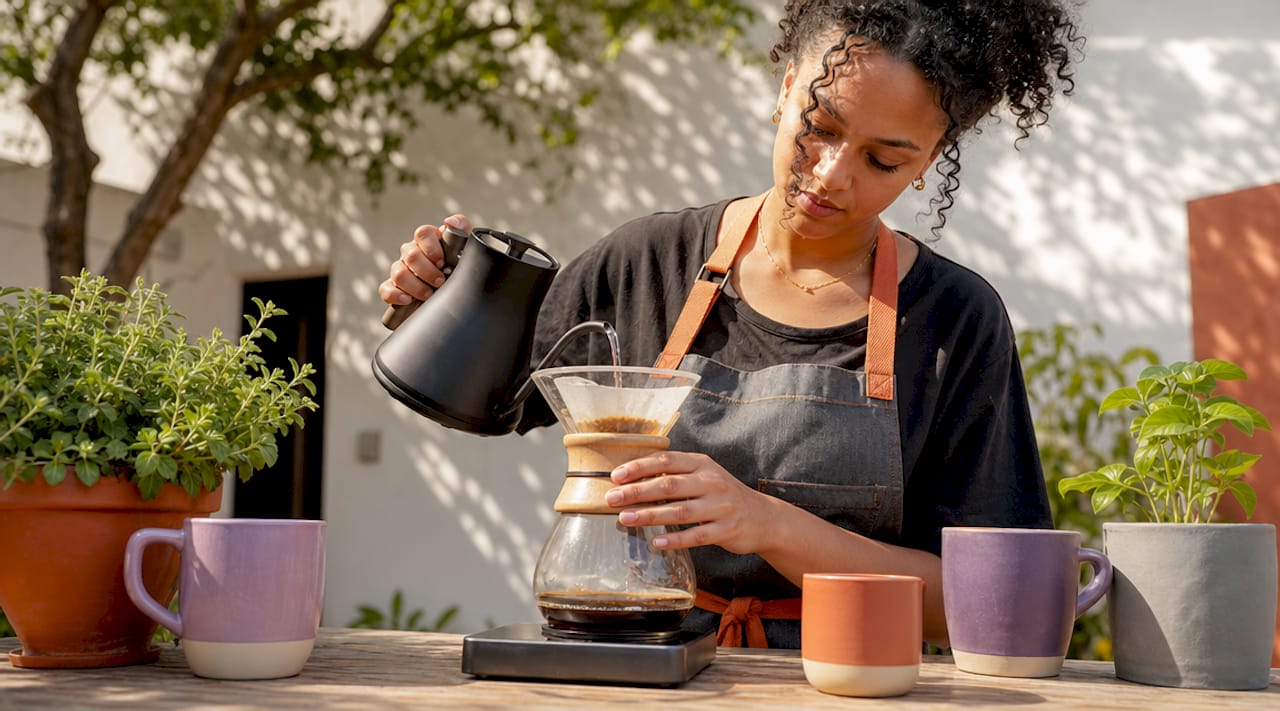
Percolation describes methods where fresh water continuously flows through a bed of coffee grounds. Pour-over brewers like the Hario V60, Chemex, and Kalita Wave all work this way. Because fresh, unsaturated water contacts the grounds throughout the brew, percolation methods produce cups with higher clarity, brighter acidity, and more defined individual flavor notes. The tradeoff is precision: uneven pouring or inconsistent grind size creates channeling, where water finds the path of least resistance and leaves sections of the bed under-extracted.
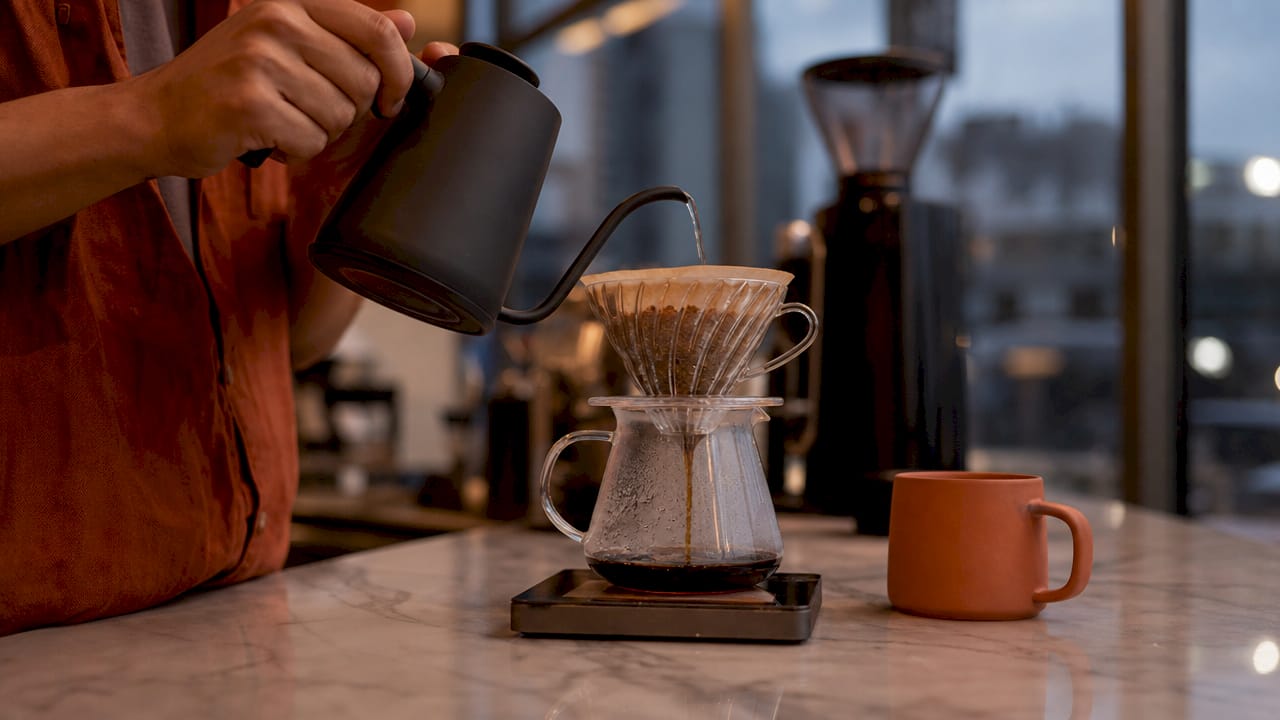
Immersion methods submerge grounds in water for a set period before separation. The French press, AeroPress (in its standard steep configuration), and Clever Dripper all use immersion. Because the water gradually becomes saturated with dissolved solids, extraction slows naturally over time. This self-limiting extraction makes immersion methods more forgiving and produces fuller-bodied, rounder cups where acidity is smoothed and texture takes center stage.
Pressure methods force hot water through a compact puck of finely ground coffee at high pressure. Espresso machines operate at roughly 9 bars of pressure, extracting a concentrated shot in 25 to 30 seconds. The result is intense flavor, a heavier body, and the formation of crema, the emulsified layer of oils and CO2 that sits on top of a well-pulled shot. Pressure extraction also produces higher concentrations of certain aromatic compounds not present in the same volume in percolation or immersion cups.
| Brewing category | Example brewers | Cup characteristics |
|---|---|---|
| Percolation | Hario V60, Chemex, Kalita Wave | Bright acidity, high clarity, defined flavor notes |
| Immersion | French press, AeroPress, Clever Dripper | Fuller body, rounded acidity, textured mouthfeel |
| Pressure | Espresso machine, Moka pot | Concentrated flavor, heavy body, crema |
No single best brewing method exists. Each category answers a different flavor question, and your preference for transparency versus texture versus intensity determines which one serves you best on any given morning.
What brewing variables control extraction quality?
Brewing category sets the framework, but four variables determine whether your extraction succeeds or fails within that framework: grind size, water temperature, contact time, and filter medium.
Grind size and method alignment
Grind size must match brewing method precisely. Finer grinds increase surface area and slow water flow, which is why espresso demands a fine grind and a short brew time. Coarser grinds reduce surface area and allow water to pass through more freely, which is why French press uses a coarse grind over a four-minute steep. Mismatching grind to method produces bitterness from over-extraction or sourness from under-extraction. A burr grinder like the Baratza Encore or Comandante C40 gives you the consistency needed to dial in any method reliably.
Water temperature and its effects
Optimal brewing water temperature sits between 195 and 205°F (90 to 96°C). Water below this range under-extracts, leaving sour, thin cups. Water above it over-extracts, pulling harsh, bitter compounds. This range applies across percolation and immersion methods. Espresso machines maintain temperature electronically, but home pour-over brewers often use water that has cooled too far after boiling. A gooseneck kettle with a built-in thermometer, such as the Fellow Stagg EKG, removes this variable entirely.
Contact time and balance
Contact time is the duration grounds spend in contact with water. Espresso extracts in under 30 seconds. A Chemex takes four to five minutes. A French press steeps for four minutes. A cold brew immersion runs 12 to 24 hours. Longer contact time extracts more total dissolved solids, which increases body but risks bitterness if grind size is not adjusted accordingly. Percolation methods require precise timing because water continues extracting until it drains completely. Immersion methods are more self-correcting because saturation slows the extraction rate naturally.
Filter medium and mouthfeel
Metal filters allow oils and fines to pass into the cup, producing heavier body and a textured, almost chewy mouthfeel. Paper filters trap those oils and fines, producing a cleaner, brighter cup with more defined acidity. This means the filter medium influences mouthfeel more than the brewing device itself. A French press with a paper filter insert produces a noticeably cleaner cup than the same press with its standard metal mesh. Choosing between paper and metal is a taste decision, not a quality decision.
Pro Tip: If you find your pour-over tastes flat or papery, rinse the paper filter with hot water before brewing. This removes residual paper taste and preheats the brewer, both of which improve clarity and temperature stability.
How does brewing method shape specialty coffee flavor profiles?
The SCA Flavor Wheel standardizes coffee sensory vocabulary, linking descriptors like “jasmine,” “blackcurrant,” and “brown sugar” to specific chemical compounds. Using this framework, you can predict how a brewing method will emphasize or suppress particular attributes in a given bean.
Consider a naturally processed Ethiopian Sidama with notes of strawberry, blueberry, and dark chocolate. Brewed as a pour-over on a Chemex, the paper filter strips the heavier oils, and the percolation method highlights the fruit-forward top notes. The cup reads bright and floral, with the berry notes leading. Brewed in a French press, the same beans produce a cup where the chocolate and body dominate, the fruit notes are present but rounder, and the texture is noticeably heavier. Brewed as espresso, the concentration amplifies everything: the fruit becomes jammy, the chocolate becomes intense, and the body is thick enough to coat the palate.
Here is how each brewing category tends to interact with common specialty coffee attributes:
- Percolation methods enhance clarity and acidity. They are the best choice for light roast single-origin coffees from Ethiopia or Kenya where floral and citrus notes are the selling point.
- Immersion methods smooth acidity and build body. They suit medium roast coffees from Colombia or Guatemala where balance and sweetness are the primary attributes.
- Pressure methods intensify every characteristic. They work best with coffees developed enough to handle concentration, typically medium to medium-dark roasts, though skilled baristas pull excellent light roast espresso with careful dialing.
“Brewing is an exercise in control, balancing clarity, comfort, brightness, and body to suit different coffees and moods.” — Expert perspective on method choice
Research supports this directly. Cold brewing naturally processed Robusta improved cupping scores from 78.38 to 82.00, demonstrating that method selection can elevate a coffee’s perceived quality beyond what the bean alone delivers. Method is not a passive variable. It is an active tool for shaping the sensory outcome.
Accurate sensory language helps you make these method choices deliberately rather than by accident. When you can name what you taste, you can trace it back to the brewing variable that produced it and adjust accordingly.
Common pitfalls when brewing specialty coffee at home
Most home brewing errors fall into a small set of repeatable mistakes. Recognizing them by category makes them easier to fix.
- Grind mismatch: Using a medium grind for espresso produces a sour, under-extracted shot in under 15 seconds. Using a fine grind for French press clogs the filter and produces bitter, gritty coffee. Always set grind size to the method first, then adjust for taste.
- Water temperature neglect: Letting boiled water sit for more than 90 seconds without a thermometer drops it below the 195°F threshold. This is the most common cause of flat, sour pour-overs at home.
- Inconsistent technique in percolation: Pouring too fast, too slow, or in irregular patterns creates uneven extraction in a Hario V60 or Chemex. A consistent spiral pour from the center outward, practiced until it becomes automatic, eliminates most of this variation.
- Ignoring filter choice: Switching from a metal AeroPress filter to a paper one changes the cup character more than adjusting brew time by 30 seconds. Treat filter choice as a flavor decision.
Pro Tip: When you try a new single-origin bean, brew it first by your most familiar method before experimenting. This gives you a baseline flavor reference, making it much easier to interpret what changes when you switch methods.
Immersion methods are more forgiving for beginners because the self-limiting extraction reduces the risk of catastrophic over-extraction. If you are new to specialty coffee brewing, a French press or AeroPress is the lowest-risk entry point. Once you understand what balanced extraction tastes like, moving to pour-over or espresso becomes much more intuitive. You can also explore dialing in light roast coffee specifically, since light roasts demand tighter control than darker profiles.
Key takeaways
Brewing method determines specialty coffee flavor by controlling which compounds are extracted, at what concentration, and with what texture. No amount of bean quality compensates for a mismatched or poorly executed brewing method.
| Point | Details |
|---|---|
| Three brewing categories | Percolation, immersion, and pressure each produce distinct acidity, body, and flavor clarity. |
| Grind size is non-negotiable | Mismatching grind to method causes bitterness or sourness regardless of bean quality. |
| Filter medium shapes mouthfeel | Metal filters yield heavier bodies; paper filters produce cleaner, brighter cups. |
| Temperature precision matters | Brewing between 195 and 205°F extracts desired compounds without harshness. |
| Method amplifies bean character | Percolation highlights fruit and acidity; immersion builds body; pressure intensifies everything. |
What I’ve learned from years of brewing the same beans differently
The most useful shift I made as a coffee drinker was stopping the search for the “right” brewing method and starting to treat each method as a different lens on the same bean. A Colombian Huila I love as a pour-over becomes almost unrecognizable as a French press, not worse, just different. The pour-over version is transparent and citrus-forward. The French press version is chocolatey and round. Both are correct expressions of the same coffee.
What I find most home baristas underestimate is the role of sensory vocabulary. Without the language to describe what you are tasting, you cannot connect a flavor outcome to the variable that caused it. The SCA Flavor Wheel is not just a professional tool. It is a practical reference that turns vague impressions like “something tastes off” into specific diagnoses like “this is under-extracted, sour, and thin.” That precision changes how you brew.
My honest recommendation: resist the gear obsession that dominates most coffee communities online. A Hario V60 costs less than $20 and outperforms a $300 automatic drip machine when used with intention. The variable that matters most is not the device. It is your understanding of what the device is doing to the water and the grounds. Once you internalize the three brewing categories and the four key variables, you can pick up almost any brewer and produce a quality cup within a few attempts. Experimentation stops feeling like guesswork and starts feeling like a conversation with the bean.
The French press brew guide and the pour-over step-by-step guide at Moustachecoffeeclub are worth bookmarking if you want structured practice with both immersion and percolation methods side by side.
— Sean
Explore specialty coffee built for every brewing method
Moustachecoffeeclub sources ultra-light, Nordic-style single-origin coffees from Ethiopia, Colombia, and beyond, roasted to order so you receive beans at peak freshness. Every coffee in the subscription is selected to perform across multiple brewing methods, which means the same bag rewards you differently in a Chemex on a slow morning and an AeroPress on a fast one.

The coffee education hub includes brewing guides, origin reports, and flavor exploration resources that connect directly to what you have read here. If you want to put these extraction principles into practice with genuinely exceptional beans, the specialty coffee subscription at Moustachecoffeeclub is the most direct path. Select your plan, receive freshly roasted single-origin beans, and start tasting the difference that method makes when the coffee itself is worth the effort.
FAQ
How does brewing method change coffee flavor?
Brewing method controls extraction physics, determining which flavor compounds dissolve into the cup and at what concentration. Percolation produces brighter, cleaner cups; immersion produces fuller-bodied, rounder cups; pressure produces intense, concentrated flavor.
What is the best brewing method for specialty coffee?
No single best method exists for specialty coffee. Pour-over suits light roast single-origins where clarity and acidity are the focus; French press suits medium roasts where body and sweetness lead.
Does water temperature really affect coffee quality?
Yes. Brewing between 195 and 205°F extracts desirable flavor compounds without pulling harsh, bitter ones. Water below this range produces sour, thin cups regardless of bean quality.
What is the difference between paper and metal filters?
Paper filters trap oils and fines, producing a clean, bright cup. Metal filters allow those compounds through, producing a heavier body and more textured mouthfeel. The choice is a flavor preference, not a quality judgment.
Can brewing method improve a lower-quality coffee?
Research shows that cold brew immersion raised cupping scores from 78.38 to 82.00 for a naturally processed Robusta, confirming that method selection can meaningfully improve perceived cup quality.
Recommended
- How to buy specialty coffee: expert tips for flavor and quality | Blog | The Moustache Coffee Club
- Coffee Education Hub | Ultra-Light Nordic-Style Brewing Guides & Origins | Moustache Coffee Club
- How a Coffee Cherry Becomes a Roasted Bean | Blog | The Moustache Coffee Club
- Coffee Accessories Gifting Guide: Matched to Every Brewer | Blog | The Moustache Coffee Club