What Is a Curated Coffee Experience? A Full Guide
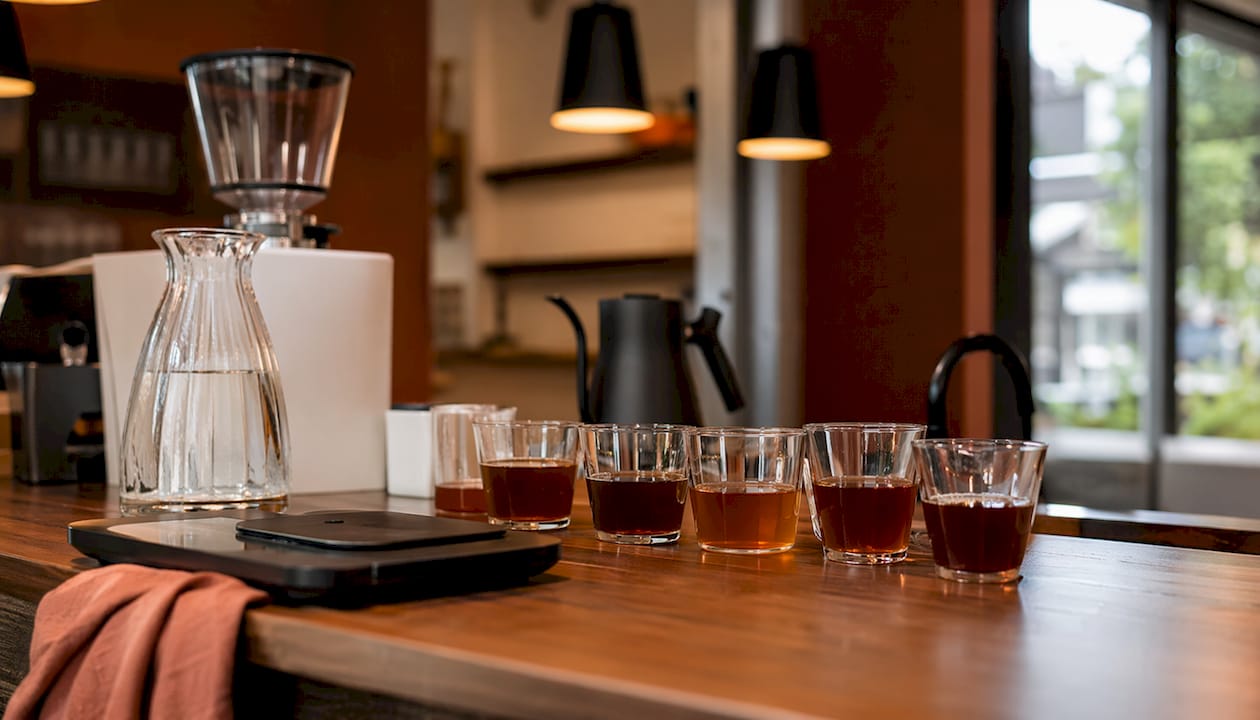
A curated coffee experience is a guided, multi-sensory tasting where a skilled barista selects and sequences specialty coffees to highlight each cup’s flavor, origin, and craft. This is the specialty coffee industry’s answer to the chef’s tasting menu. The Specialty Coffee Association’s Coffee Value Assessment framework confirms that a truly special cup requires both sensory and contextual elements, meaning flavor alone is never enough. Moustachecoffeeclub builds every subscription around this same principle: that coffee becomes extraordinary when it carries a story, a place, and a purpose. The global coffee market is expected to surpass $500 billion, driven largely by experiential consumption rather than commodity purchasing.
What is a curated coffee experience, and what makes it different?
A curated coffee experience is defined by intentional selection, guided progression, and sensory education. It is not simply drinking good coffee. The word “curated” signals that every element, from the bean’s origin to the water’s mineral content, has been chosen with a specific goal: to reveal the full complexity of coffee as a craft.
The Specialty Coffee Association’s framework treats specialty coffee as a product that must be appreciated through sensory enjoyment and informational context together. Strip away the context, and you have a beverage. Add the context, and you have an experience. This distinction separates a curated tasting from a standard café visit.
The format most associated with this concept is coffee omakase, borrowed directly from Japanese dining culture. Coffee omakase features multi-course tastings of up to 9 courses, each designed to engage all five senses. Palate cleansers, flavor pairings, and deliberate sequencing guide the guest from one discovery to the next. The structure mirrors a fine dining tasting menu in both ambition and execution.
The sensory dimensions that define curation
Three core sensory factors define whether a coffee experience qualifies as curated: aroma, flavor profile, and mouthfeel. Aroma primes the palate before the first sip. Flavor profile, which includes acidity, sweetness, and body, tells the story of the bean’s origin and processing method. Mouthfeel, the weight and texture of the liquid, signals roast level and extraction quality.
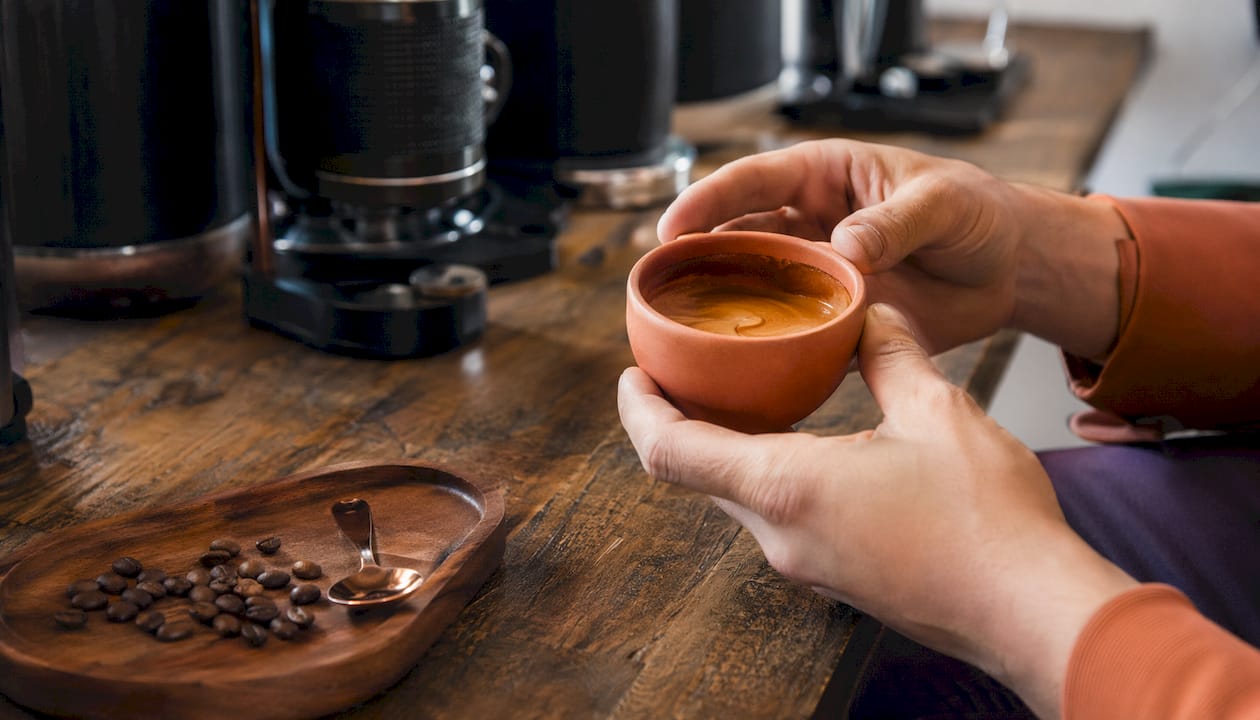
A specialty coffee tasting notes guide helps enthusiasts develop the vocabulary to name what they taste. Without that vocabulary, the experience remains pleasurable but vague. With it, each cup becomes a conversation.
Pro Tip: Before attending a curated tasting, drink your coffee black for a week beforehand. Milk and sugar mask the flavor compounds that curated experiences are designed to highlight.
The barista’s role in a curated experience goes well beyond brewing. They act as curator, educator, and host simultaneously. In coffee omakase settings, the barista steps out from behind the bar to present each course directly, explaining the bean’s provenance, the processing method, and the brewing technique. The guest shifts from passive consumer to active participant.
- Aroma: Evaluated before and during the sip; reveals floral, fruity, or earthy notes tied to origin
- Flavor profile: Covers acidity, sweetness, bitterness, and aftertaste; shaped by terroir and roast
- Mouthfeel: Describes body and texture; indicates roast level and extraction precision
- Finish: The lingering taste after swallowing; a marker of coffee quality and complexity
How do origin stories and sustainability shape the experience?
Origin storytelling is the backbone of any artisan coffee experience. When you know that a coffee comes from a specific cooperative in Yirgacheffe, Ethiopia, harvested by a named farming family using natural processing, the cup tastes different. That is not imagination. That is context activating emotional engagement.
Sustainable sourcing practices reinforce that story with credibility. A coffee that carries verifiable ethical sourcing, reduced plastic packaging, and direct trade relationships gives the drinker something to trust. Understanding how to source single origin beans sustainably shows how those supply chain decisions translate directly into cup quality and producer welfare.
Certifications and ethical practices matter because they make the story auditable. A claim of “ethically sourced” without traceability is marketing. A claim backed by farm-level data, origin reports, and transparent pricing is curation. Moustachecoffeeclub publishes detailed origin reports with each shipment, giving subscribers the full context behind every bag.
The connection between sustainability and emotional engagement is direct. Customers who understand the environmental and human cost of their coffee develop a stronger relationship with the product. That relationship is what separates a one-time purchase from a long-term appreciation of the craft.
Key elements that make origin storytelling effective in a curated experience:
- Named farm or cooperative, not just a country of origin
- Processing method explained (washed, natural, honey) and its effect on flavor
- Harvest season and altitude, both of which affect bean density and acidity
- Producer’s story, including farming practices and community impact
- Sustainability credentials backed by traceable sourcing data
Moustachecoffeeclub’s approach to coffee brand sustainability shows how these elements combine into a coherent sourcing philosophy rather than a marketing checklist.
Why does atmosphere matter in a curated coffee space?
The environment of a curated coffee experience is not decoration. It is a functional part of the experience itself. Experienscape research shows that sensory, social, and natural elements predict customer revisit intentions more accurately than coffee quality alone. That finding reframes what a café is actually selling.
Lighting, music, scent, and spatial design all shape how a guest perceives flavor. A bright, noisy room dulls sensory focus. A calm, warmly lit space with intentional background sound amplifies it. High-end curated venues treat the room as an instrument, tuning every variable to support the tasting.
The social dimension is equally significant. Sociologist Erving Goffman’s Place Identity Theory explains why customers use curated coffee spaces to reinforce their identity and sense of belonging. People return not just for the coffee but for the feeling of being recognized, welcomed, and understood. The barista who remembers your preference for a light Ethiopian natural is not just being friendly. They are building loyalty through recognition.
Pro Tip: When visiting a curated café for the first time, tell the barista your flavor preferences and ask for their recommendation. That single act of trust shifts the entire dynamic from transaction to experience.
Four environmental factors that define a curated coffee space:
- Lighting: Warm, controlled light reduces distraction and focuses attention on the cup
- Sound: Curated music at low volume supports conversation without overwhelming the senses
- Scent: The ambient aroma of freshly ground coffee primes the palate before the first sip
- Barista interaction: Personalized attention and education create the emotional memory that drives return visits
Repeated sensory rituals and barista recognition foster emotional attachments that motivate customers to return. The ritual itself becomes part of the value. This is why curated coffee experiences succeed in markets where commodity coffee is cheaper and faster.
How can you participate in or create your own curated tasting?
A curated coffee tasting follows a predictable structure, whether you attend one at a specialty café or build one at home. Understanding that structure lets you get more from the experience at every level.
In a professional coffee omakase setting, the session typically opens with a palate cleanser, often sparkling water or a light tea. The barista then presents coffees in a deliberate sequence, moving from lighter, more delicate profiles toward fuller, more complex ones. Each course includes a verbal explanation of origin, processing, and brewing method. The guest’s job is to taste, ask questions, and engage.
High-end curated experiences adjust water mineral composition and introduce experimental preparations like nitrogen-charged cold brews or milk brews filtered through dairy. These details are not gimmicks. They demonstrate that every variable affecting flavor has been considered and controlled.
For a home tasting session, the same principles apply at a smaller scale:
- Select two to four single-origin coffees from different regions, such as Ethiopia, Colombia, and Guatemala
- Brew each using the same method and ratio to isolate flavor differences
- Taste in order from lightest to most complex roast or processing style
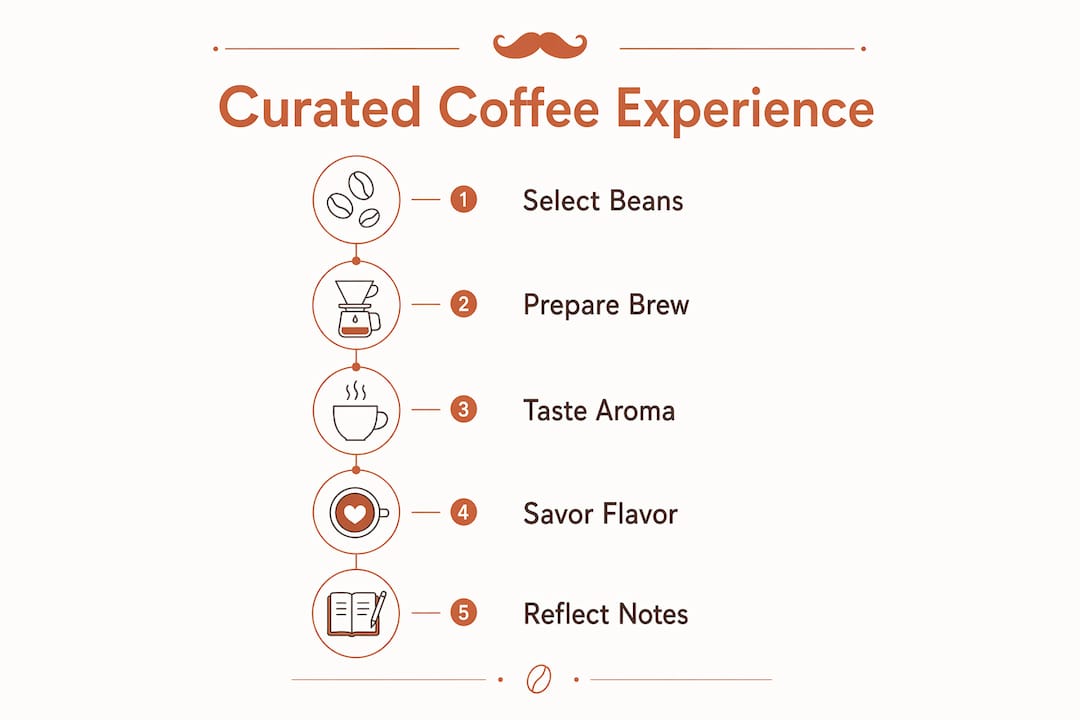
- Use a tasting notes framework to describe aroma, flavor, and finish for each cup
- Take notes and compare; the contrast between cups is where learning happens
A coffee subscription built around single-origin selections makes this kind of home tasting repeatable. Moustachecoffeeclub ships freshly roasted beans with full origin reports, giving subscribers the context they need to taste with intention rather than habit.
The sensory experience of curated coffee also connects naturally to broader culinary appreciation. A sensory guide to culinary experiences shows how aroma, presentation, and sequence work across food and drink to create lasting impressions. The principles transfer directly to coffee curation.
Key Takeaways
A curated coffee experience is defined by intentional selection, sensory education, origin storytelling, and an environment designed to deepen emotional connection with the cup.
| Point | Details |
|---|---|
| Curation requires context | Flavor alone is not enough; origin, processing, and story must accompany the sensory experience. |
| Coffee omakase is the format | Multi-course guided tastings of up to 9 courses engage all five senses in a deliberate sequence. |
| Environment drives loyalty | Lighting, sound, scent, and barista recognition predict return visits more than coffee quality alone. |
| Home tastings are achievable | Two to four single-origin coffees brewed consistently and tasted in sequence replicate the core experience. |
| Sustainability builds trust | Traceable sourcing and origin reports give the story credibility and deepen emotional engagement. |
What I’ve learned from years of tasting with intention
The most common mistake I see coffee enthusiasts make is treating a curated tasting like a product evaluation. They focus entirely on whether they “like” the coffee, as if the goal is to find a winner. That framing misses the point entirely.
The value of a curated coffee experience is not the verdict. It is the attention. When you slow down and follow a barista’s sequence, you start noticing things you have never noticed before, the way a washed Ethiopian coffee smells like bergamot before you even lift the cup, or how a Colombian natural processed bean coats the palate differently than a honey-processed one from the same region. That kind of noticing does not happen by accident. It requires structure, and structure requires trust.
What I find most underrated in this space is the role of repetition. A single curated tasting is memorable. A monthly subscription that delivers a new single-origin coffee with full origin context turns that single memory into a practice. The coffee origin story behind each bean is not background noise. It is the lens that makes the flavor legible. Without it, you are just drinking something that tastes good. With it, you are tasting a place, a season, and a decision made by a farmer thousands of miles away.
That shift in perspective is what makes specialty coffee worth the attention.
— Sean
Curated coffee delivered to your door with Moustachecoffeeclub
Moustachecoffeeclub brings the curated coffee experience directly to your home through a subscription built around ultra-light, Nordic-style single-origin coffees sourced from Ethiopia, Colombia, and beyond.
Every shipment arrives freshly roasted to order, paired with a detailed origin report that gives you the full story behind the bean. Subscribers can provide feedback after each delivery, and the selections adjust to match their flavor preferences over time. That feedback loop is what separates a curated subscription from a generic coffee delivery. If you are ready to taste coffee with the same intention a barista brings to a coffee omakase session, a Moustachecoffeeclub subscription is the most direct way to start. For a full look at the available selections and sourcing philosophy, visit Moustachecoffeeclub.
FAQ
What is a curated coffee experience in simple terms?
A curated coffee experience is a guided tasting where a barista selects and sequences specialty coffees to highlight each cup’s flavor, origin, and craft. The goal is sensory education, not just enjoyment.
How is coffee omakase different from a regular café visit?
Coffee omakase is a multi-course tasting of up to 9 courses where the barista controls the sequence and explains each coffee’s origin and preparation. A regular café visit involves choosing and ordering independently, with no guided progression.
Can you create a curated coffee tasting at home?
Yes. Select two to four single-origin coffees, brew each with the same method and ratio, and taste them in order from lightest to most complex. Using a tasting notes framework to record aroma, flavor, and finish makes the session genuinely educational.
Why does origin storytelling matter in specialty coffee?
Origin storytelling activates emotional engagement by connecting the drinker to the farm, the farmer, and the processing decisions that shaped the cup. The Specialty Coffee Association’s framework confirms that context and sensory experience together define what makes a coffee truly special.
How does environment affect a curated coffee experience?
Experienscape research shows that lighting, social interaction, and design predict customer revisit intentions more than coffee quality alone. The physical environment shapes how flavor is perceived and creates the emotional memory that drives loyalty.
Recommended
- How a coffee tasting experience gift delights coffee lovers | Blog | The Moustache Coffee Club
- What Is a Coffee Sampler Set? A Taster’s Guide | Blog | The Moustache Coffee Club
- What Is a Coffee Discovery Gift for Coffee Lovers | Blog | The Moustache Coffee Club
- What Is Included in a Coffee Tasting Box? | Blog | The Moustache Coffee Club


